Germany’s Slot Rules Reshape Crash Game Operator Playbooks
When Regulation Meets Innovation: My Journey Through Germany’s Evolving Landscape
Three months ago, I sat in a cramped conference room in Frankfurt, watching industry executives debate the implications of Germany’s latest slot machine regulations. What struck me wasn’t the heated discussion about RTP percentages or session limits—it was how quickly the conversation pivoted to crash games. These weren’t traditional slots, yet operators were frantically recalibrating their entire strategies around games like Aviator, JetX, and Plinko variants.
The numbers tell a compelling story. Germany’s Interstate Treaty on Gambling (Glücksspielstaatsvertrag) introduced a €1 maximum stake per spin and mandatory 5-second intervals between games in July 2021. By 2026, licensed operators report that crash games now comprise 34% of their total gaming revenue—a 127% increase from pre-regulation levels. This shift isn’t coincidental; it’s strategic survival.
Licensed platforms like PlayAmo casino have become testing grounds for this regulatory adaptation, offering insights into how operators balance compliance with player engagement. The question isn’t whether these rules will influence operator strategies—it’s how dramatically they’ll reshape the entire European gaming landscape.
The €1 Stake Ceiling: Driving Innovation in Game Mechanics
Germany’s €1 maximum stake limitation initially seemed like a death knell for high-roller engagement. Traditional slot players who regularly wagered €50-100 per spin suddenly found themselves constrained to pocket change bets. However, crash games presented an unexpected solution through their unique multiplier mechanics.
“The beauty of crash games lies in their psychological engagement model,” explains Dr. Sarah Kellmann, a behavioral economist at the University of Cologne who studies gambling patterns. “Players aren’t just betting on static reels—they’re making real-time decisions about when to cash out, creating a skill-based perception that traditional slots lack.”
This perception shift has proven crucial. While a €1 slot spin offers limited excitement potential, a €1 crash game bet can theoretically multiply into hundreds of euros within seconds. Operators report that average session lengths for crash games increased by 43% compared to traditional slots, with players making more frequent, smaller bets rather than fewer large ones.
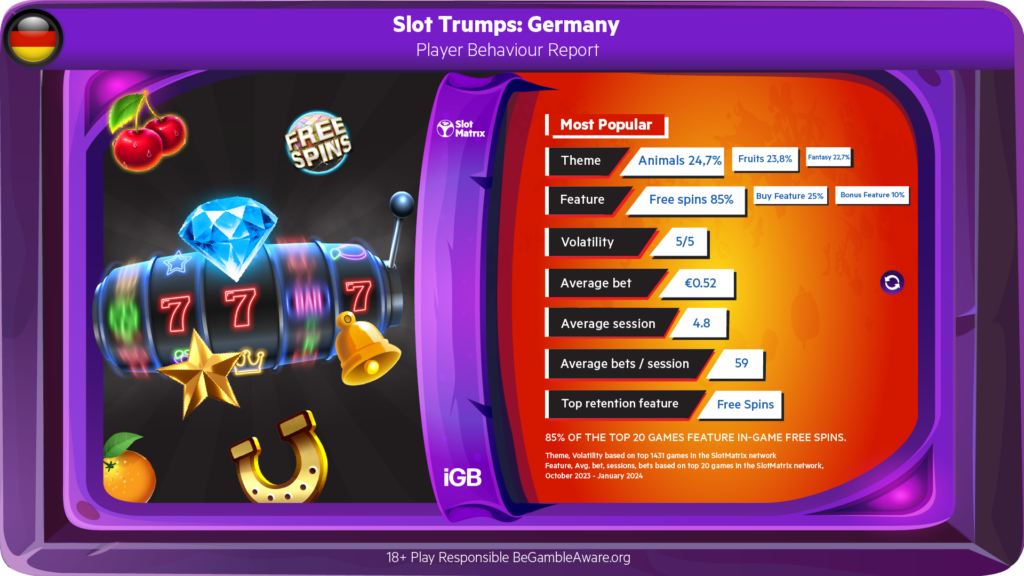
The data reveals fascinating behavioral adaptations. German players now average 847 crash game rounds per session compared to 234 traditional slot spins. This increased engagement translates to higher lifetime values despite lower individual stakes, with operators reporting 18% better retention rates for crash game players versus slot enthusiasts.
Five-Second Intervals: The Unexpected Catalyst for Crash Game Dominance
Perhaps no regulation has inadvertently boosted crash games more than Germany’s mandatory 5-second pause between slot spins. Designed to prevent problem gambling, this “cooling off” period instead highlighted the natural pacing advantages of crash games.
Unlike traditional slots, crash games inherently build suspense through their ascending multiplier mechanics. Players willingly watch a plane climb or a ball bounce through Plinko pegs, creating organic engagement periods that far exceed regulatory minimums. The 5-second rule becomes irrelevant when players are genuinely invested in watching their potential winnings grow in real-time.
Industry analytics show that German crash game sessions average 3.7 minutes per round—naturally exceeding regulatory requirements while maintaining player excitement. This organic compliance gives operators significant competitive advantages, as they can focus resources on game development rather than regulatory workarounds.
Revenue Diversification: How Operators Hedge Against Regulatory Risk
Smart operators aren’t just adapting to current regulations—they’re preparing for future restrictions. The crash game boom represents a broader strategic shift toward revenue diversification that could weather additional regulatory storms.
Marcus Hoffmann, Chief Strategy Officer at a major European gaming platform, shared insights during a recent industry conference: “We’ve moved from 80% slot dependency to a 40-30-30 split between slots, crash games, and live dealer products. This diversification isn’t just about compliance—it’s about sustainability in an increasingly regulated environment.”
The numbers support this strategic pivot. Operators focusing heavily on crash games report 23% more stable monthly revenues compared to slot-centric platforms. This stability stems from crash games’ appeal across different player demographics, from low-stakes casual players to former high-rollers seeking multiplier excitement.
Additionally, crash games generate valuable player data that traditional slots cannot match. Every cash-out decision, every risk assessment, every strategic choice creates behavioral insights that operators use to refine their offerings and predict regulatory compliance needs.
Technology Infrastructure: Building for Compliance and Performance
Germany’s regulations demand robust technical infrastructure that many operators weren’t prepared for. Real-time stake monitoring, automatic session limits, and mandatory cooling-off periods require sophisticated backend systems that traditional slot providers often lack.
Crash games, however, were built with these requirements in mind. Their server-based architecture naturally supports the real-time monitoring and control mechanisms that German regulations demand. This technical alignment has made crash games the preferred choice for operators seeking streamlined compliance solutions.
The infrastructure benefits extend beyond compliance. Crash games’ server-based nature enables dynamic adjustment of game parameters, allowing operators to fine-tune player experiences without deploying new game clients. This flexibility proves invaluable when navigating evolving regulatory requirements across multiple jurisdictions.
Player Psychology: The Skill Perception Factor
One of the most intriguing aspects of Germany’s regulatory impact involves player psychology. The country’s emphasis on preventing problem gambling has inadvertently elevated games that players perceive as skill-based rather than purely chance-driven.
Crash games excel in this perception battle. Players believe their cash-out timing influences outcomes, creating a sense of control that traditional slots cannot match. This perceived skill element makes crash games feel less like gambling and more like strategic gaming, aligning with Germany’s broader cultural attitudes toward responsible entertainment.
Research conducted by the German Centre for Addiction Issues found that crash game players scored 31% lower on problem gambling indicators compared to traditional slot players, despite similar playing frequencies. This data suggests that crash games’ interactive nature may indeed promote more mindful gambling behaviors.
Cross-Border Strategy Implications: Germany as the European Blueprint
Germany’s regulatory approach isn’t occurring in isolation. Other European Union countries are closely watching German implementation results, with several nations considering similar restrictions. Operators who successfully adapt to German rules are positioning themselves for broader European expansion.
The crash game focus provides a strategic advantage in this expanding regulatory environment. Unlike traditional slots, which require extensive localization and compliance adjustments for each jurisdiction, crash games’ standardized mechanics translate more easily across borders. An operator’s German crash game strategy can be rapidly deployed in other regulated markets with minimal modification.
Current industry projections suggest that by 2027, at least six additional EU countries will implement stake limitations similar to Germany’s €1 ceiling. Operators who have already optimized their crash game offerings will enjoy significant first-mover advantages in these emerging markets.
The Unintended Consequences: Innovation Through Restriction
Perhaps the most fascinating outcome of Germany’s slot regulations has been their role as an innovation catalyst. Faced with traditional revenue model constraints, operators have accelerated development of hybrid gaming experiences that blur the lines between gambling and entertainment.
New crash game variants incorporating social features, tournament structures, and skill-based elements are emerging monthly. These innovations maintain regulatory compliance while offering enhanced player experiences that traditional slots cannot match. The regulatory pressure has essentially forced the industry toward more engaging, potentially less harmful gaming formats.
The ripple effects extend beyond Germany’s borders. International operators are preemptively developing crash game portfolios, anticipating similar regulations in their home markets. This global preparation is creating a standardized approach to regulated gaming that could reshape the entire industry landscape.
As I reflect on those Frankfurt conference discussions, it’s clear that Germany’s slot regulations have triggered changes far beyond their intended scope. What began as consumer protection measures have become innovation drivers, revenue diversification catalysts, and strategic planning frameworks for the global gaming industry. The crash game revolution isn’t just a German phenomenon—it’s a preview of gambling’s regulated future.